How Silica introduced actuators that let robots feel on X
Affordable robot actuators 50x more sensitive so robots can feel
What Silica launched

Introducing Silica. We make actuators 50x more sensitive at an affordable price, so that robots can feel the world around them. When I was at Apple, I developed technology that helped humans live more creative and connected lives. Now I make hardware for the training age, https://t.co/7CKtmWQbdF
Transcript
How LaunchVideo.com rated the launch
LaunchVideo.com rating
About the launch
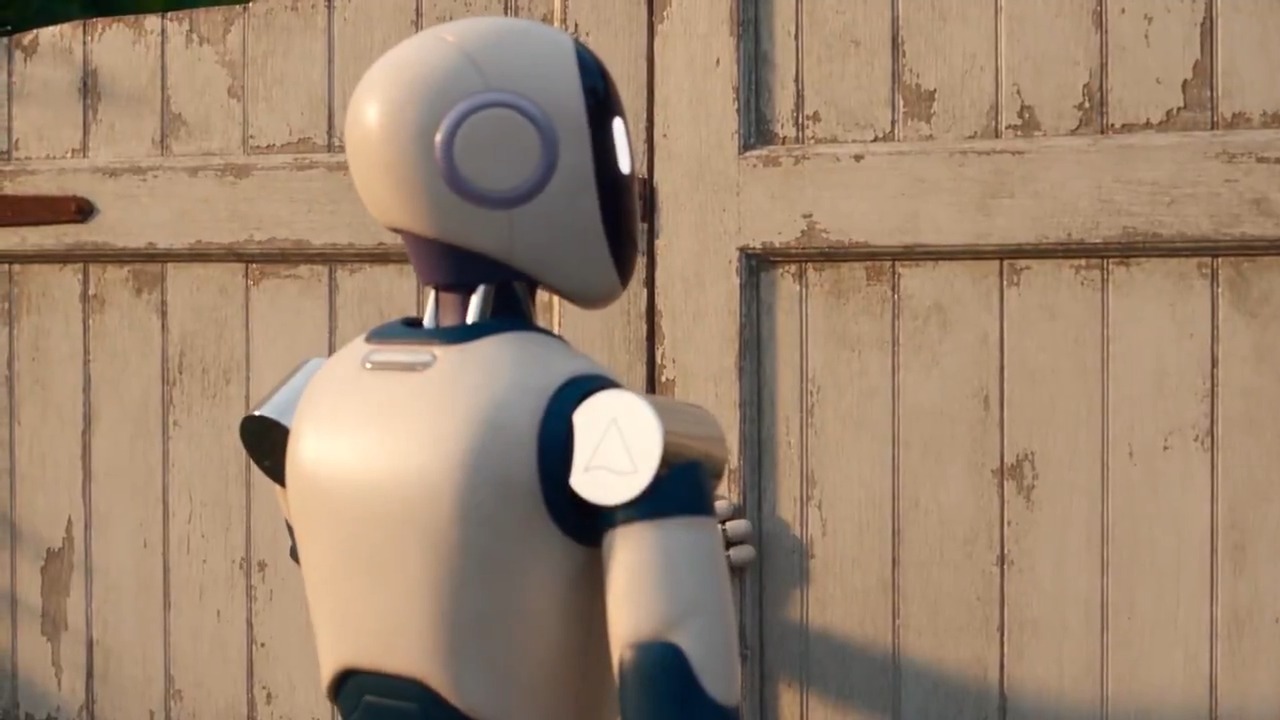
What did Silica launch? On October 28, 2026, founder Enrico Milletti introduced Silica on X. His post explained the company in one sentence: Silica makes actuators 50 times more sensitive at an affordable price, so that robots can feel the world around them. He added a personal note. At Apple, he developed technology that helped humans live more creative and connected lives. Now he makes hardware for the training age. The tagline on the directory entry sums it up: affordable robot actuators 50x more sensitive so robots can feel. What problem is Silica solving? Silica's Y Combinator launch describes the gap plainly. The robot arms used to train physical AI cannot feel anything lighter than a tennis ball, so the data collected on them does not accurately record how hard they push. Separate torque sensors cost several times more than the actuators themselves, so most arms go without them. The company's website puts it more bluntly: today's robots are numb. Their software is smart, but most of their bodies cannot feel what they touch, so developers write more and more code to work around it. That missing signal matters for robots that need to handle fragile parts consistently. How do Silica actuators work? Most robots estimate force from the current in their motors. Silica joints measure torque at the output, where the joint meets the load, so every demonstration, rollout, and contact is recorded as real force. The company integrates the sensors into the gearbox, which it says lets a joint feel objects as light as a paperclip. Because the sensing is built into the actuator, there is no clunky retrofit. Silica says its technology adds only about 10 to 15 percent to the price of a standard actuator, and that its actuators drop into today's low-cost training arms with no redesign required. The goal, in the company's words, is to give the long tail of the robotics industry access to physical intelligence. Who is Silica for? The product line, called the Q Series, targets teams collecting robot training data and builders of grippers, lab robots, and factory machines. The website shows use cases spanning manufacturing lines, lab automation, training, and even a toy biped, and lets visitors select a joint to see which Silica actuator it uses. Long term, Silica says it wants to make embodied AI in its final form, eventually including humanoids. What is the demand so far? Silica told Y Combinator that customers requested more than 60,000 units within a month of opening pre-orders. Pre-orders are open on its website, which says production starts in January 2027. The company's launch post said it designed three sizes to kick off the platform. Who founded Silica? Enrico Milletti is the founder and CEO, based in San Francisco. Before Silica, he worked in Apple's product design department, developing novel materials and manufacturing processes and taking them from the lab to products sold in tens of millions of units a year. Before Apple, he was the founding engineer at Artefact, which built a desktop manufacturing cell for molding composites. Silica is part of Y Combinator's Fall 2026 batch and is also backed by Founders Inc. and UP.Partners. It is hiring mechanical and electrical or firmware engineers. What does the launch video show? The 89 second film opens with a question: what if a robot could feel something as gentle as a gust of wind? It describes Silica as building a kind of nervous system for robots, so they can sense a delicate touch and learn to handle fragile things with care. The central comparison is easy to remember: today's robots can feel things as light as a tennis ball, while Silica's actuators can feel things as light as a paperclip. How did the Silica launch perform on X? Milletti posted the launch video from his founder account on October 28, 2026. The post reached about 85K views, with 1,341 likes, 102 reposts, 100 comments, and 467 bookmarks, as recorded on this LaunchVideo.com directory entry. His account had about 1.7K followers at the time, so the post reached about 50 times his audience. LaunchVideo.com rated the launch 4.0 out of 5, with 2 out of 5 for hook, 4 for editing, 4 for copy, 5 for sentiment, and 4 for distribution. What can founders learn from the Silica founder-led launch video? The Silica launch is a strong founder-led launch video for deep hardware. The tennis ball versus paperclip comparison turns a technical spec, torque sensitivity, into something anyone can picture. That one image does more than a chart could. The founder's Apple background also adds credibility in a single line, which matters when asking customers to pre-order hardware that is not yet shipping. The lower hook score suggests the gentle opening could have led with the paperclip comparison instead. For founders, the lesson is to translate your key number into an everyday object. LaunchVideo.com helps hardware founders make technical launches easy to grasp.
Tags
Questions
Frequently asked questions
The Silica launch post reached 85K views on X, with 1.3K likes, 102 reposts, 100 comments, 467 bookmarks.
Silica launched on X on October 28, 2026 with the message "Affordable robot actuators 50x more sensitive so robots can feel".
What did Silica launch?
LaunchVideo.com rated the Silica launch 3.80 out of 5: hook 2/5, editing / creativity 4/5, copy 4/5, sentiment of launch 5/5, distribution strategy 4/5.